1825 Resurrection Men Roundup
A Year of Body-Snatching via the British Newspapers Archive, https://www.britishnewspaperarchive.co.uk

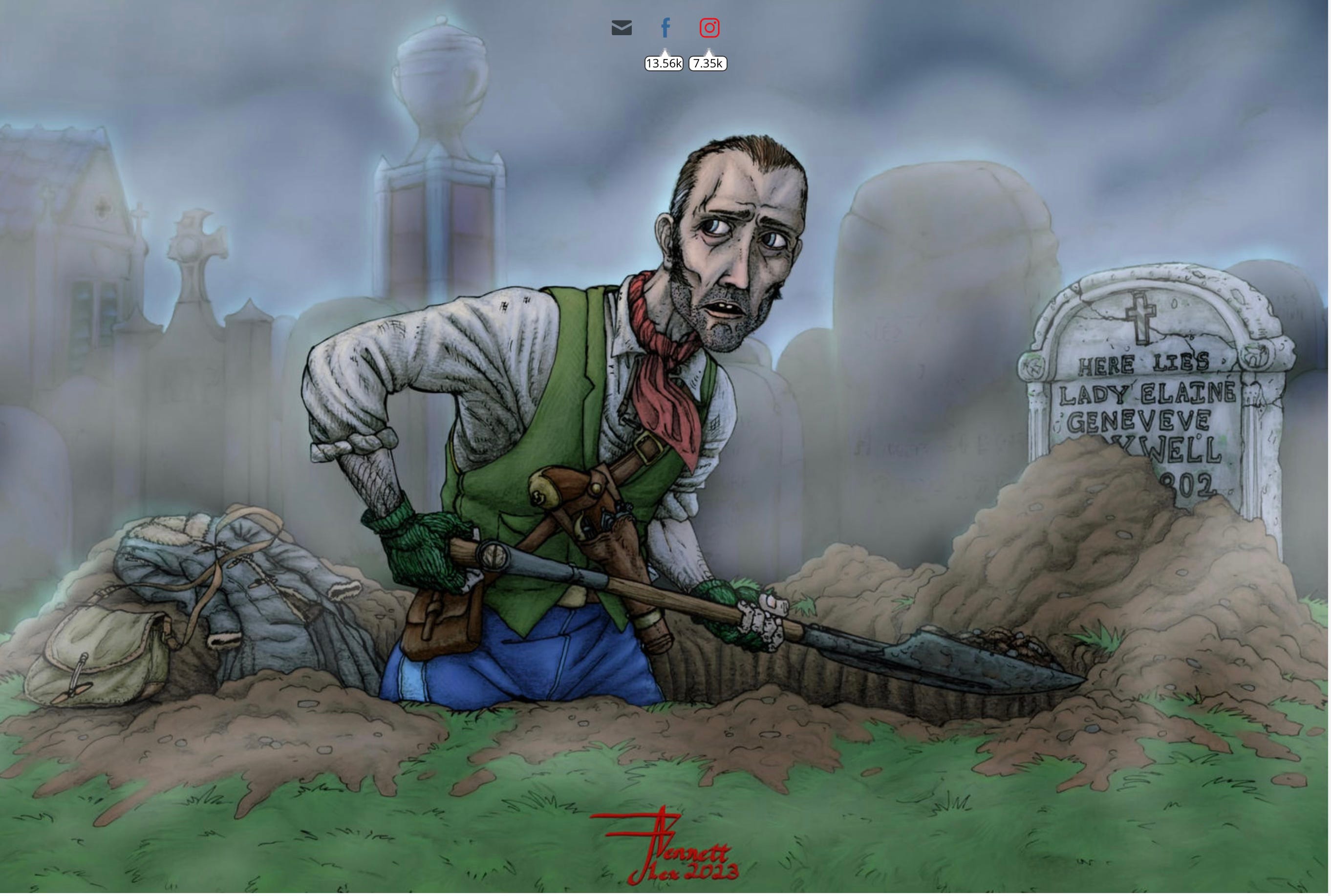
As 2025 draws to a close, we can take stock of what the world of British body-snatching looked like 200 years ago, at the end of 1825.
We’ve learned that pilfering from cemeteries intended for the poor was widespread. Cemeteries located in around Southwark London, and Bully’s Acre, Dublin were especially vulnerable, but any burial-ground, anywhere, was apt to attract the unwanted attention of thieves looking for subjects. Night watchmen had to be both vigilant and well-armed.
Fear of body-snatching was well-founded, and the public response was extremely troubling to the public authorities. Community members protested angrily when they believed their own dead children were being dug up for the use of surgeons, and surgeons, as well as local police who tried to protect them, had reason to fear for their own safety.
We’ve seen John Bishop and James May arrested as resurrectionists. Bishop and May will later give evidence to Parliamentary commission on the study of anatomy. Later still, they will murder the Italian boy, Carlo Ferrari, and precipitate the 1832 Anatomy Act regulating how cadavers were obtained for anatomical study.
Two more resurrectionists were convicted in December 1825. John Flinn, who, the previous month, had argued eloquently, but unsuccessfully, that the watchman of the Vauxhall chapel should let himself be bribed, was sentenced to two months in Brixton prison. Thomas Tute (or Tuite), in Dublin, was also convicted. They would expect to be back on the streets early in the new year; we will see if they turn up back in the graveyards as well.
In Portsea, according to the Public Ledger and Daily Advertiser (12 Dec 1825), two would-be body snatchers had a narrow escape. They were surprised in the process of opening two graves, and had gotten as far as removing the earth pressing down on the coffins, when they were fired upon by the watchman. They got away, but as blood was later found out the ground, it was presumed at least one bullet had found its mark. As of the end of the year, they had not been apprehended, but their movements had been traced as far as the Green Post public house and their luggage searched, “in which implements used for these purposes were found.”
As we saw in 1825, body-snatching was already a significant theme in popular culture as well as criminal cases, turning up in an alleged kidnapping and in the defense for murder. It found its way into a libel case as well, in a doggerel that, the lawyer for the plaintiff urged, carried the “most base and malignant” suggestion that his client, a minister, “procured dead bodies to be buried in the Chapel-ground, for the purpose of selling them to resurrection men”:
Who is it bribes (to fill the ground)
And undertakers all around
And who with body snatchers joins?
Finally, we can end this 1825 resurrection-men roundup with a riot in the town of Duns, in Berwick near Edinburgh, as reported in the Inverness Journal and Northern Advertiser (2 Dec 1825). A horse and cart was observed being driven by a pair of men, who seemed, to onlookers, to belong “to the fraternity of bodysnatchers”. They stopped the cart, and the men fled; when examined, the cart contained the cadaver of an old man from a neighboring town, who had been buried in the local churchyard. A few weeks later, a man came from Edinburgh to claim the horse and cart. On hearing of this, “several hundred of the town’s people assembled and broke up the house” where the cart had been held, “carried it through the town, and after breaking it to pieces, they burned it in the market-place”.
In a year filled with so many carts, carrying so many dug-up bodies, this ritual dismemberment may be as highly gratifying to read about, as it must have been to enact.